


Your living room has the right sofa, a good rug and one blank corner that still feels strangely empty. A plant would fix it, but the room barely gets any sun, and maybe a few houseplants have not survived before. Sound familiar? In most cases, light is the problem, not your plant skills.
The good news is that the best low light indoor plants for living room decor are also some of the toughest. ZZ plant, snake plant, pothos and cast iron plant stay green in dim corners, forgive a forgotten watering and look beautiful in ceramic fluted planters on stands. This guide shows you how to choose, style and care for each one.
What “Low Light” Really Means
Before buying anything, it helps to know what low light actually means. It does not mean no light. Low light plants need bright enough conditions to read a book comfortably during the day, usually indirect light from a north-facing window or a spot several feet back from a brighter one.
A simple test: hold your hand about a foot above the plant’s spot at midday. A faint, soft shadow means low light. No shadow at all means the spot is too dark, and you will need a small LED grow bulb to keep any plant healthy there.
These plants will survive in dim spots, but they grow slowly. That is a bonus for styling, because the shape you arrange today stays tidy for months.
4 Reliable Indoor Plants for Dark Rooms
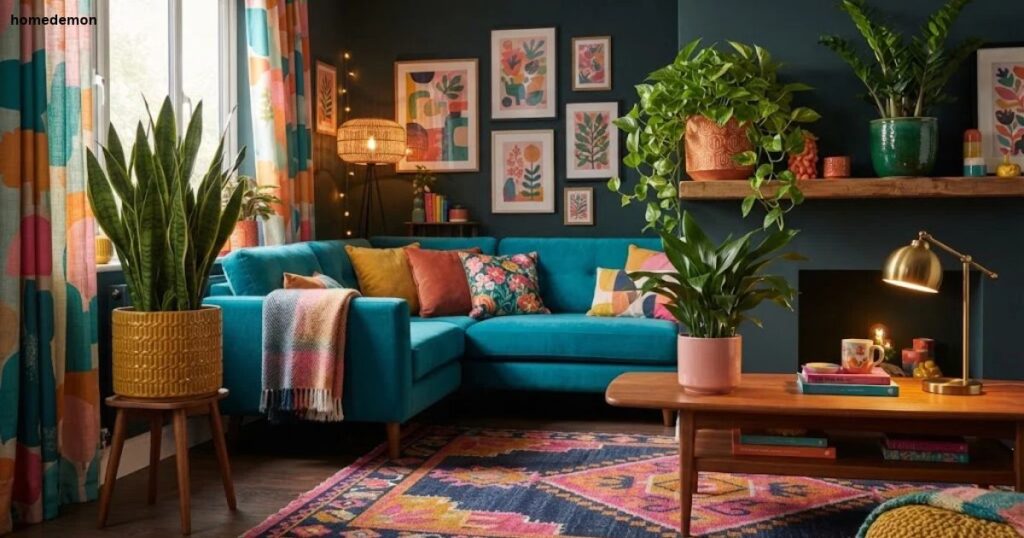
ZZ Plant: The Glossy Sculptural Pick
The ZZ plant (Zamioculcas zamiifolia) has upright, arching stems lined with thick, glossy leaves that look almost polished. It stores water in underground rhizomes, so it tolerates dark corners and long gaps between watering better than almost any houseplant.
Light: Low to medium indirect light. Water: Every two to three weeks, when the soil is fully dry. Styling tip: Its tall, structured shape suits a cream or warm white fluted planter on a medium-height stand beside the sofa. For a moodier room, look for the dark purple-black “Raven” variety against light walls.
Snake Plant: Easy Interior Styling for Dark Corners
Snake plant interior styling is simple because the plant does the design work for you. Its upright, sword-shaped leaves add strong vertical lines that balance low furniture, and the patterned leaves give color without any flowers.
Light: Low to bright indirect light. Water: Every two to four weeks. Overwatering is the main way people lose them. Styling tip: Place a tall snake plant in a matte black or charcoal fluted planter next to a fireplace, console table or TV unit. For a layered look, pair two different varieties, like a dark green one and a yellow-edged one, at different heights.
Pothos: The Trailing Softener
Pothos (Epipremnum aureum) is the plant to choose when a room feels too stiff. Its heart-shaped leaves trail down in long vines, which softens hard lines and makes a space feel relaxed.
Light: Low to bright indirect light. In very dim rooms, choose solid green “Jade” pothos, since variegated types like Marble Queen can lose their pattern and turn greener. Water: When the top inch of soil feels dry. Styling tip: Put pothos in a fluted planter on a tall stand or high plant shelf so the vines cascade down. Trim long strands occasionally to keep the shape neat.
Cast Iron Plant: The Near-Indestructible Classic

The cast iron plant (Aspidistra elatior) earned its name by surviving neglect, dim light and uneven watering. It has broad, deep green leaves that rise directly from the soil, which gives a lush, full look in dark corners where other plants struggle.
Light: Low to medium indirect light. Water: When the top two inches of soil are dry. It grows slowly, so it needs less water than most plants. Styling tip: Choose a larger fluted planter, since its leaves spread outward. A sage green or terracotta pot works well with its dark foliage.
How to Style Low Light Aesthetic Houseplants in Fluted Planters
Choosing the right plant is half the job. The planter and stand are what make low light aesthetic houseplants look designed instead of dropped into a corner.
Why Fluted Planters Work
The vertical ridges on fluted planters add texture and echo the upright lines of snake plants and ZZ plants. They also look polished in photos and work with nearly every style, from modern to boho to farmhouse.
For colors, stay within one soft palette: warm white, sage green, soft clay or charcoal. Repeating one or two tones across your planters makes a group look intentional.
Use Stands to Vary Height
Putting everything on the floor looks flat. Plant stands lift plants into your line of sight and make small spaces feel taller. Follow these rules:
- Group in threes. Odd numbers look more natural. Try one tall plant, one medium and one trailing.
- Mix heights. A tall snake plant on the floor, a ZZ plant on a medium stand and a pothos on a high stand create a pleasing triangle.
- Match the finish. Keep stands in one material, such as black metal or light wood, so the planters stay the focus.
- Leave breathing room. Three to five plants in the whole living room look styled. Ten look like a nursery.
Easy Placement Ideas
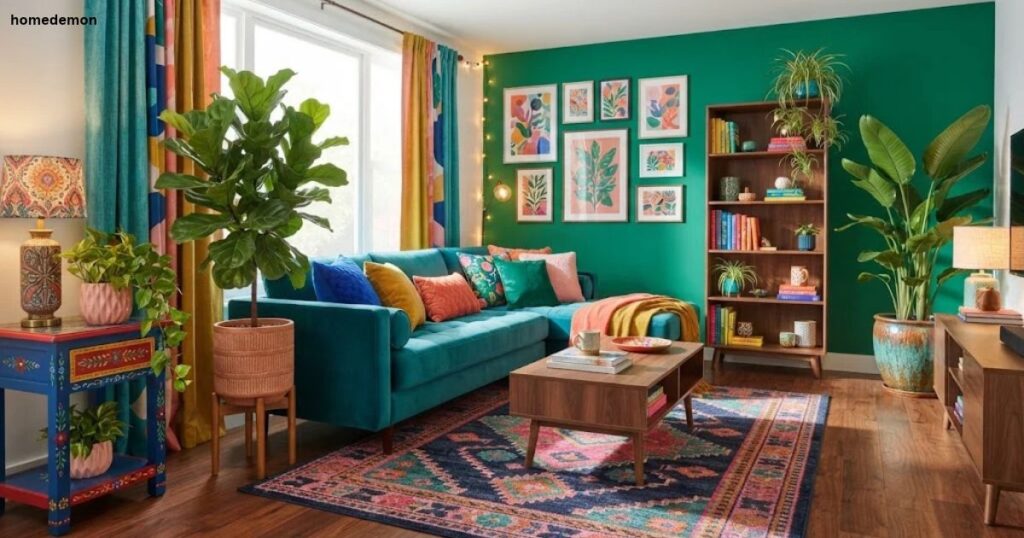
- Beside the sofa or armchair in an empty corner.
- Next to a console table or media unit to soften the edges.
- At the end of a bookshelf, where a trailing pothos can spill down.
- Near a window, even a small one, to give plants as much light as possible.
Solve the Drainage Problem
Many ceramic planters have no drainage hole. Keep the plant in its plastic nursery pot and set it inside the fluted planter like a cover. When it needs water, lift the pot out, water it in the sink, let it drain fully and put it back. This prevents root rot, which is the biggest risk for low light plants.
Quick Care Tips for Low Light Plants
- Water less than you think. Plants in dim rooms use less water, so always check the soil first.
- Wipe the leaves with a damp cloth every few weeks. Dust blocks light.
- Rotate the pot a quarter turn every month for even growth.
- Feed lightly. A diluted fertilizer once a month in spring and summer is enough.
- Add a grow bulb if the room is very dark. A simple LED bulb in a nearby lamp can make a big difference.
Pet Safety Note
If you share your home with cats or dogs, check each plant before buying. According to the ASPCA, ZZ plant, snake plant and pothos are toxic if chewed, while cast iron plant is listed as non-toxic to cats and dogs. Keep any toxic plant on a high stand out of reach.
Frequently Asked Questions
What are the best low light indoor plants for a living room?
ZZ plant, snake plant, pothos and cast iron plant are among the most reliable choices. They tolerate dim light, need little water and look good in decorative planters.
Can plants survive in a room with no windows?
Not without help. Even low light plants need some light to live. In a windowless room, use an LED grow bulb for several hours a day.
How often should I water low light plants?
Usually every two to four weeks, but always check the soil first. Water only when it has dried out, since plants in dim rooms dry out slowly.
Do fluted planters need drainage holes?
Ideally yes, but you can keep the plant in a nursery pot with drainage inside a decorative fluted planter and empty any excess water after watering.
Final Thoughts
Bringing life into a dim living room does not require a green thumb or a sunny window. Choose from ZZ plant, snake plant, pothos or cast iron plant, put each in a fluted planter, lift them to different heights with stands and keep the grouping simple. With the right plants in the right planters, even the darkest corner can become the best part of the room.

Welcome to Home Demon! I’m Ameer Hamza, an SEO and Content Writing
Expert specializing in Guest Posting, with 3 years of experience.
I help websites rank higher, grow traffic, and look amazing. My goal
is to make SEO and web design simple and effective for everyone.
Let’s achieve more together!